
How Can Residents Stay Physically Active Safely?
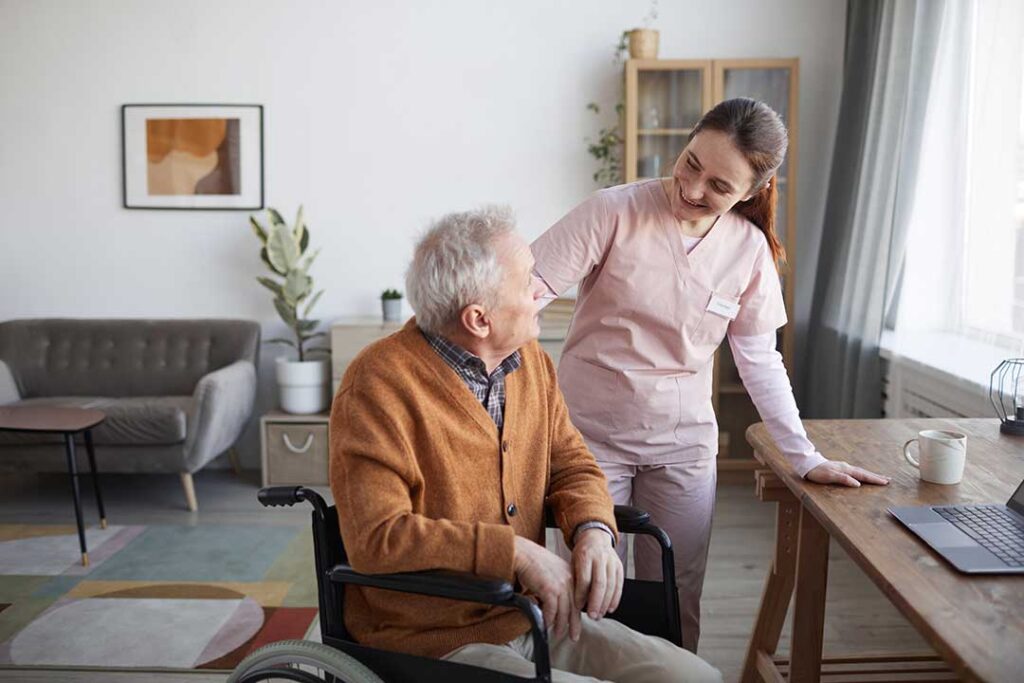
Residents in assisted living often ask about safe ways to maintain physical activity as they age. Regular exercise helps preserve mobility, balance, and independence, but activities should be tailored to individual abilities and local weather.
In a community like Jenkintown, PA, walking is a year-round favorite—especially when taken in sheltered courtyards or along well-maintained paths that remain accessible even during damp springs or cold winters. Exercise classes, yoga, and gentle stretching can be adapted for various mobility levels.
Some practical movement options:
- Chair-based exercises for those with limited mobility
- Slow walks indoors during cold or icy months
- Light gardening in raised planters during spring and summer
- Water aerobics in accessible community pools
It’s common to assume only strenuous exercise matters, but even small amounts of consistent movement can improve circulation, flexibility, and mood.
What Nutritional Choices Support Healthy Aging?
Balanced nutrition is a cornerstone of healthy aging. Residents sometimes worry about getting enough nutrients, especially if they have dietary restrictions or decreased appetite.
Assisted living dining rooms often provide varied menu options, but residents have the right to ask for meal adjustments. Nutritious choices typically emphasize:
- Lean proteins (chicken, fish, eggs, legumes)
- Colorful fruits and vegetables for vitamins and fiber
- Whole grains over refined products
- Low-sodium and low-sugar alternatives
Ensure hydration, particularly in heated buildings during winter when indoor air is dry or on humid summer days when fluid needs rise.
A common misconception is that calcium and vitamin D are only necessary in middle age. In reality, adequate intake remains crucial for bone strength throughout the later years.
How Can Mental Health and Cognitive Wellbeing Be Supported?
Mental wellbeing is just as vital as physical health, and residents in the community often benefit from mental stimulation and social interaction.
Staying mentally engaged:
- Reading groups, puzzles, or word games
- Music, art, or craft workshops
- Reminiscing groups or storytelling circles
- Technology use—video chatting with family, playing brain-training games, or viewing nature webcams
Maintaining personal connections—whether through regular communal meals, group activities, or phone calls with loved ones—can reduce feelings of isolation that sometimes arise, especially after moving into assisted living or during colder, homebound months.
Many residents overlook the value of simply changing routine—exploring a new indoor hobby, taking part in resident meetings, or learning a new skill can foster meaning and prevent cognitive decline.
Which Safety Tips Are Most Important for Daily Wellbeing?
Residents often want guidance on practical steps for staying safe while remaining independent. Assisted living communities in Jenkintown are designed with safety in mind, but personal habits also matter greatly.
Key safety considerations:
- Always use handrails and mobility aids as needed
- Wear proper footwear to prevent slips, especially when walkways may be wet
- Keep living spaces well-lit and free of clutter—all cords, shoes, and rugs should be secured
- Know how to reach staff if help is needed quickly
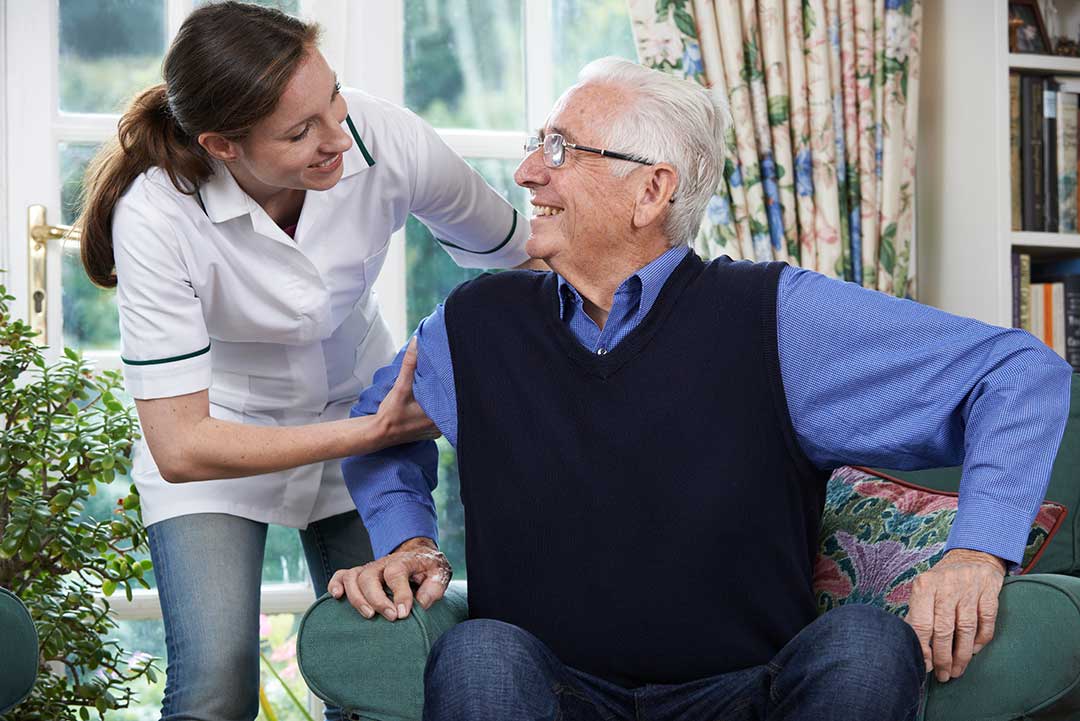
A widespread misconception is that asking for assistance with physical tasks signals declining independence. In fact, partnering with staff or peers can prevent injuries and promote sustained autonomy.
How Can Residents Stay Social and Connected?
Building and maintaining connections is a central part of healthy aging. Social opportunities in the area may include group outings, hobby clubs, and holiday events held within assisted living facilities or nearby community spaces.
Some simple ways to stay connected:
- Attend communal meals to spark interaction
- Join scheduled activities, even as an observer
- Arrange regular calls or video visits with family
- Volunteer for small roles or committees within the residence
Seasonal changes can affect opportunities for socializing—for example, outdoor gatherings are popular in summer, while cozy indoor events become more common in colder months. Residents sometimes assume it’s too late to make new friends, but many find meaningful relationships at every stage of residence.
What Are Practical Self-Care Habits for Daily Life?
Simple routines contribute greatly to long-term wellbeing. Residents frequently ask about the best daily habits to maintain energy and resilience.
Daily self-care tips include:
- Getting enough sleep—aim for a consistent bedtime and a calming pre-sleep routine
- Managing medications as directed, and asking questions if unsure about any prescription
- Practicing good hand hygiene, especially in shared spaces
- Spending time outside on mild days for fresh air and sunlight
It’s easy to overlook the impact of restful sleep and consistent self-care—yet small improvements in routine can noticeably boost mood and overall health.
