

Holiday celebrations in assisted living can be meaningful, familiar, and flexible. Residents do not need to follow a crowded schedule or recreate every tradition exactly as it happened at home. The most successful celebrations usually focus on comfort, personal choice, familiar foods, shared memories, and opportunities for residents to participate at their own pace.
How are holidays celebrated in assisted living?
Assisted living communities generally celebrate holidays through a combination of group activities, private visits, seasonal meals, decorations, music, and resident-led traditions. The exact schedule varies, but residents often have several ways to participate rather than being expected to attend one large event.
Common activities may include:
- Holiday meals with modified menus when needed
- Small gatherings for music, crafts, readings, or games
- Visits from family members and friends
- Decorating common areas and private rooms
- Religious or spiritual services
- Seasonal movies, concerts, or storytelling
- Baking demonstrations or familiar holiday recipes
- Intergenerational visits with children or grandchildren
Residents should be able to decide which activities feel enjoyable and which feel tiring. A quiet visit, a favorite dessert, or listening to familiar music can be just as meaningful as attending a large celebration.
How can residents keep their personal traditions?
Personal traditions can continue in adapted forms. A resident who once hosted a large meal may instead help choose the menu, arrange place cards, tell stories about family recipes, or share a traditional song. Someone who decorated an entire home might decorate a small tabletop tree, display photographs, or place a few familiar ornaments in a private room.
Family members can ask specific questions instead of assuming a tradition must be repeated exactly:
- What part of the holiday matters most?
- Which foods, songs, prayers, or decorations feel familiar?
- Is there a tradition the resident would like to continue privately?
- Would the resident prefer a visit, a phone call, or a group activity?
- What holiday memories bring comfort rather than sadness?
Some traditions may need adjustments because of space, mobility, dietary needs, or energy levels. Adapting a tradition does not make it less authentic. It allows the meaningful part to remain while reducing unnecessary strain.
What should families consider before visiting?
Families should plan visits around the resident’s routine, energy, health needs, and preferences. Holiday periods can be busy, and an unexpected crowd may feel overwhelming, particularly for someone living with dementia, hearing loss, or limited stamina.
A shorter visit with two or three familiar people may be more enjoyable than a large gathering. Visitors can also reduce stress by:
- Confirming visiting hours and any holiday procedures in advance
- Limiting strong fragrances, loud conversations, and background noise
- Bringing familiar photographs, cards, or a small decoration
- Avoiding surprise visits if the resident prefers preparation
- Planning rest periods during longer visits
- Watching for signs of fatigue, anxiety, or overstimulation
In Jenkintown, PA, winter holidays may involve cold temperatures, snow, ice, and early darkness. Families should allow extra travel time and avoid bringing residents outdoors unless conditions are safe and the resident is properly dressed. A visit indoors can still feel festive without requiring difficult winter transportation.
How can celebrations be made comfortable for residents with memory loss?
Residents with memory loss often benefit from simple, familiar, and predictable activities. Large gatherings with many conversations, flashing decorations, or changes to the daily schedule may cause confusion. A calm setting with one activity at a time is often easier to manage.
Helpful approaches include:
- Using familiar music from the resident’s younger years
- Displaying labeled family photographs
- Offering simple tasks such as folding napkins or placing ornaments
- Serving recognizable foods in small portions
- Explaining activities briefly and gently
- Avoiding tests about names, dates, or past events
- Allowing the resident to observe without participating
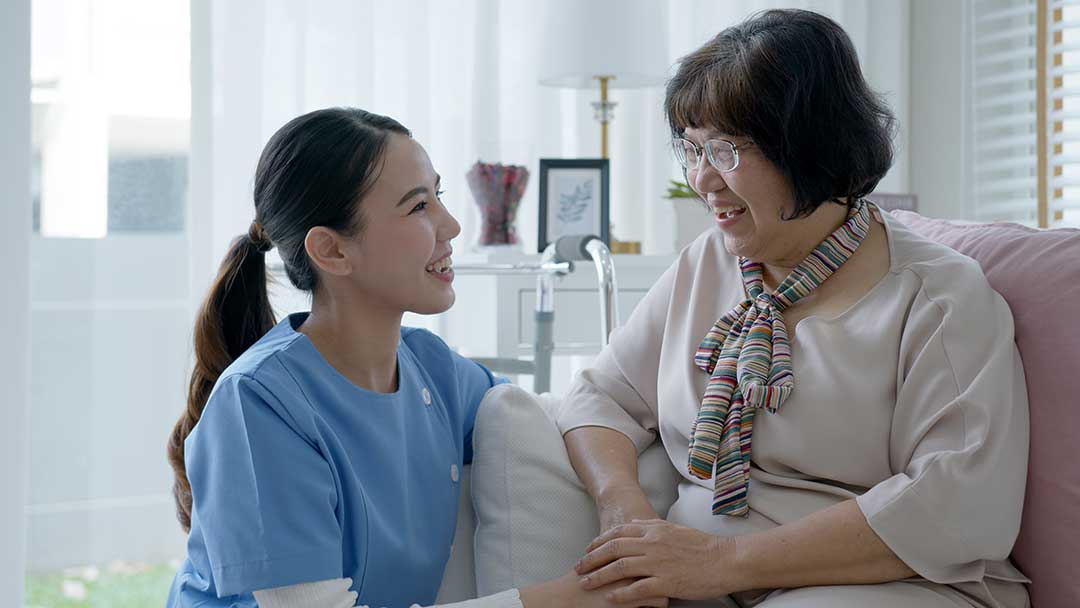
A resident may not remember the name of a holiday, recognize every visitor, or follow a traditional sequence. That does not mean the experience has no value. Comfort, emotional connection, music, taste, and sensory familiarity can remain meaningful even when specific memories are difficult to access.
What holiday foods are appropriate in assisted living?
Holiday foods can usually be included with attention to allergies, swallowing concerns, diabetes, low-sodium diets, medication interactions, and personal preferences. Portion size and texture may matter as much as the recipe itself.
Families should check before bringing homemade food, especially if the resident has a therapeutic diet or food allergy. Useful questions include:
- Does the food need to be refrigerated?
- Is the texture safe for the resident?
- Does it contain nuts, alcohol, or other restricted ingredients?
- Can the resident eat the full portion safely?
- Should the food be labeled with the resident’s name and date?
Traditional foods can often be modified. Soft vegetables, smaller servings, moist desserts, and familiar flavors may make a holiday meal more comfortable. The goal is not to eliminate favorite foods automatically, but to serve them in a form that fits the resident’s current needs.
How can residents celebrate religious or cultural holidays?
Residents should be able to observe religious, cultural, and seasonal holidays according to their beliefs and preferences. Celebrations may include prayer, worship services, special clothing, traditional foods, sacred music, readings, candles, or family customs.
Some residents may want to participate in a group service, while others may prefer private observance. Families can share information about meaningful practices with staff so that routines, dietary needs, and personal boundaries are understood.
Cultural traditions can also be preserved through storytelling, language, music, photographs, recipes, and handmade decorations. These details may help residents feel recognized as individuals rather than treated as if everyone celebrates the same way.
What safety issues should be considered during holiday decorating?
Holiday decorations should be attractive but safe. Decorations must not block hallways, exits, handrails, wheelchair paths, or emergency equipment. Small objects may also pose a choking risk, while loose cords can create fall hazards.
Safer choices include:
- Battery-operated lights used according to instructions
- Unbreakable ornaments
- Flame-free candles
- Securely attached decorations
- Non-slip mats or no mats at all in walking paths
- Minimal clutter near beds, chairs, and bathrooms
Open flames, electrical changes, scented products, and food brought from home may be subject to community rules. These rules are designed to protect residents with mobility limitations, respiratory conditions, allergies, and cognitive impairment.
What if a resident does not want to celebrate?
A resident has the right to decline holiday activities. Not everyone enjoys holiday music, family gatherings, religious observances, or seasonal decorations. Some people may associate holidays with grief, difficult family relationships, financial hardship, or memories of loss.
Respectful support may mean offering a quiet alternative, such as a regular meal, a private visit, a favorite television program, or time outdoors when weather permits. Family members should avoid pressuring the resident to appear cheerful or participate for the sake of photographs.
The most considerate celebrations make room for different emotions. A holiday can include happiness, sadness, reflection, or no special observance at all. Assisted living should provide choices that allow residents to experience the season in ways that feel safe, familiar, and personally meaningful.
