
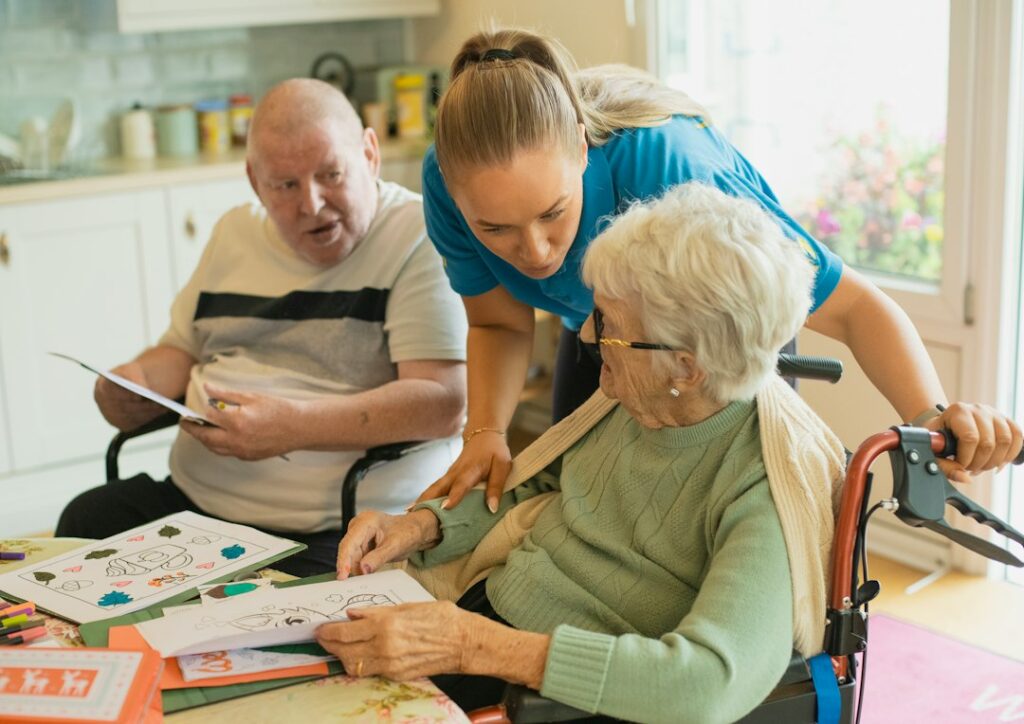
Creative hobbies can support social connection, self-expression, movement, and a sense of purpose for older adults in assisted living. The most suitable activities are not necessarily the most complicated. Simple projects can be adapted for different abilities, interests, vision levels, and energy patterns.
Which creative hobbies work well in assisted living?
The most useful hobbies are flexible, low-pressure, and easy to pause or modify. Activities such as painting, music, writing, crafts, gardening, and photography can be enjoyed alone or with others.
A good hobby should match the resident’s current abilities rather than focus on what the person used to do. For example, someone who once enjoyed detailed needlework may now prefer larger materials, shorter sessions, or a collaborative project.
Helpful options include:
- Watercolor painting, coloring, or large-print drawing
- Collage-making with magazines, fabric, or textured paper
- Knitting, crocheting, weaving, or other handwork
- Listening to music, singing, or playing simple instruments
- Journaling, storytelling, and writing family memories
- Container gardening or arranging cut flowers
- Photography using a simple camera or tablet
- Seasonal decorating and handmade cards
- Puzzles, model-building, and other visual crafts
- Cooking-related projects such as recipe sorting or decorating cookies
The goal is participation, not perfection. A finished project can be meaningful, but the process itself may provide relaxation and conversation.
How can art activities be adapted for different abilities?
Art activities are easier to enjoy when materials are visible, organized, and comfortable to handle. Large-handled brushes, thick pencils, easy-grip scissors, and lightweight containers may help residents with arthritis or limited hand strength.
For residents with low vision, consider:
- High-contrast paper and tools
- Larger shapes and simple patterns
- Bright, even lighting
- Tactile materials such as felt, yarn, foam, or textured paper
- Verbal descriptions of colors and layout
- Pre-cut materials that reduce visual strain
A person living with memory loss may benefit from familiar, repetitive projects. Folding fabric, sorting buttons by color, arranging flowers, or decorating simple shapes can provide structure without requiring complicated instructions.
Projects should be introduced one step at a time. Too many supplies or directions can create frustration. Demonstrating the first step, then allowing the resident to continue at a comfortable pace, is often more effective than giving lengthy explanations.
Can creative hobbies help residents feel less isolated?
Yes. Group hobbies create natural opportunities for conversation, cooperation, and shared memories. A resident who does not enjoy formal social events may be more comfortable joining a small craft table, music circle, or storytelling group.
Creative activities can support social connection in several ways:
- Residents can exchange ideas about colors, songs, recipes, or family traditions.
- A group project gives participants a shared purpose.
- Music can encourage conversation even when verbal communication is difficult.
- Displaying completed work can help residents learn about one another.
- Family members may contribute photographs, recipes, or stories to a project.
Small groups may work better than large gatherings for residents who become overwhelmed by noise or crowded spaces. Quiet background music, clear seating arrangements, and predictable schedules can make participation easier.
What hobbies are appropriate for residents with arthritis or limited mobility?
Many creative hobbies can be adjusted for comfort. Residents do not need to sit at a table for long periods or use fine motor skills continuously.
Useful adaptations may include:
- Using a tabletop easel instead of holding paper flat
- Choosing lightweight materials
- Taking frequent hand and shoulder breaks
- Using larger needles, pens, handles, or paintbrushes
- Working on projects in short sessions
- Selecting activities that use one hand or require minimal gripping
- Placing supplies within easy reach
Music, storytelling, photography, flower arranging, and art appreciation can be good choices when hand movement is limited. A resident might choose colors for another person’s painting, direct a group song, or describe memories connected to an object or photograph.
Pain, fatigue, tremors, and balance concerns can vary from day to day. A hobby should remain optional and adjustable rather than becoming a test of endurance.
Are creative hobbies helpful for memory support?
Creative activities may help residents engage with familiar experiences, even when recent memory is limited. Songs from earlier periods of life, family recipes, holiday traditions, and photographs can prompt conversation and recognition.
Reminiscence-based projects might include:

- Creating a memory box with labeled photographs
- Recording short stories about childhood or work
- Designing a family tree with large printed names
- Organizing recipes by season or occasion
- Making a playlist of meaningful songs
- Decorating a calendar with familiar holidays and birthdays
The purpose is not to test memory. Correcting a resident repeatedly can reduce enjoyment. It is usually more helpful to listen, ask open-ended questions, and follow the person’s lead.
For example, instead of asking, “Do you remember who is in this picture?” a conversation might begin with, “Tell me about this day,” or “What do you notice first?”
How can seasonal conditions affect hobbies in Jenkintown?
Indoor creative activities are especially useful during cold winter days, periods of rain, and hot or humid summer weather. Residents may not always feel comfortable spending extended time outdoors, but seasonal themes can still bring variety indoors.
During colder months, residents might make paper snowflakes, knit simple items, assemble photo albums, or listen to music associated with winter celebrations. In spring, indoor seed-starting, flower arranging, and nature sketches can provide a connection to changing weather.
Summer projects may include pressed-flower art, painted cards, or indoor photography using natural light. In autumn, leaf rubbings, harvest-themed collages, and storytelling about family traditions can encourage conversation.
Window views, seasonal sounds, and familiar objects can inspire creative work without requiring residents to travel outside the building.
What should families bring for a resident’s hobby?
Families can begin with a small amount of familiar material rather than bringing a large collection. Useful items may include photographs, handwritten recipes, favorite music, fabric samples, postcards, or a simple sketchbook.
Before bringing supplies, consider:
- Whether the resident can safely use the materials
- How much storage space is available
- Whether tools could create a choking, cutting, or tripping hazard
- Whether the resident prefers independent or group activities
- How easily materials can be cleaned and replaced
- Whether labels or large-print instructions would help
Personal materials can make an activity feel meaningful, but the resident should have a choice about how they are used. A family photograph may inspire a conversation, a collage, or a memory project, but it should not create pressure to produce a particular result.
How can residents choose the right hobby?
Start with interests that have brought enjoyment in the past, then remain open to new formats. Someone who enjoyed gardening may like flower arranging or nature photography. A former musician may prefer listening groups, singing, or rhythm instruments rather than formal lessons.
A hobby is a good fit when the resident:
- Looks forward to the activity
- Can participate without excessive discomfort
- Has enough energy to enjoy the session
- Feels free to stop or change direction
- Gains pleasure from the process, social contact, or memories it brings
Trying several activities is often more useful than deciding based on age, diagnosis, or past experience. Preferences can change, especially after a move, illness, medication change, or shift in vision or mobility. Creative time should remain welcoming, adaptable, and centered on the resident’s own interests.
