
Assisted living safety depends on two connected systems: preventing illness from spreading and reducing everyday hazards that can lead to falls, medication errors, burns, or delayed medical care. In Jenkintown, PA, residents and families may reasonably want to know what routines are used, what questions to ask, and which warning signs deserve prompt attention.
Pennsylvania assisted living residences are residential settings that provide personal care, assistance, and supervision. They must follow state licensing requirements related to resident health, safety, sanitation, staffing, emergency planning, and care practices. Infection prevention also depends on consistent daily habits rather than occasional responses during an outbreak.
What infection prevention should look like in assisted living
A sound infection-prevention program combines hand hygiene, cleaning, symptom monitoring, vaccination support, safe food handling, appropriate protective equipment, and timely communication. No single measure prevents every illness.
Residents should be able to observe or ask about:
- Hand sanitizer or handwashing access near entrances, dining areas, and care spaces
- Regular cleaning of frequently touched surfaces
- Staff education about gloves, gowns, masks, and eye protection
- Procedures for residents or employees who develop symptoms
- Safe handling of medications, blood-testing supplies, laundry, food, and bodily fluids
- A process for notifying residents and families about significant outbreaks or changes in visitation
Cleanliness alone is not the same as infection control. A residence can look tidy and still have gaps in hand hygiene, equipment cleaning, or communication.
How are respiratory infections handled?
Respiratory illnesses such as influenza, COVID-19, and RSV can spread quickly in shared living environments. A responsible response usually begins with recognizing symptoms early, limiting unnecessary exposure, and arranging testing or medical evaluation when appropriate.
Older adults may not always develop a high fever. New weakness, confusion, dizziness, unusual tiredness, reduced appetite, nausea, diarrhea, or a change in behavior can sometimes signal infection. Residents and family members should report new or worsening symptoms promptly rather than waiting for them to become severe.
During periods of increased respiratory illness, a residence may use additional precautions, including:
- Masking for staff, visitors, or residents in affected areas
- Increased symptom checks
- Temporary changes to group activities or dining arrangements
- Testing based on the suspected illness and current public health guidance
- Separation of symptomatic residents when feasible
- Additional ventilation or air-cleaning measures
- Work restrictions for employees who are ill
- Faster clinical review for residents at higher risk of complications
These measures should be explained clearly. Residents may be more willing to follow temporary precautions when they understand whether the concern is a single suspected case, several linked cases, or broader community spread.
What should residents know about hand hygiene and protective equipment?
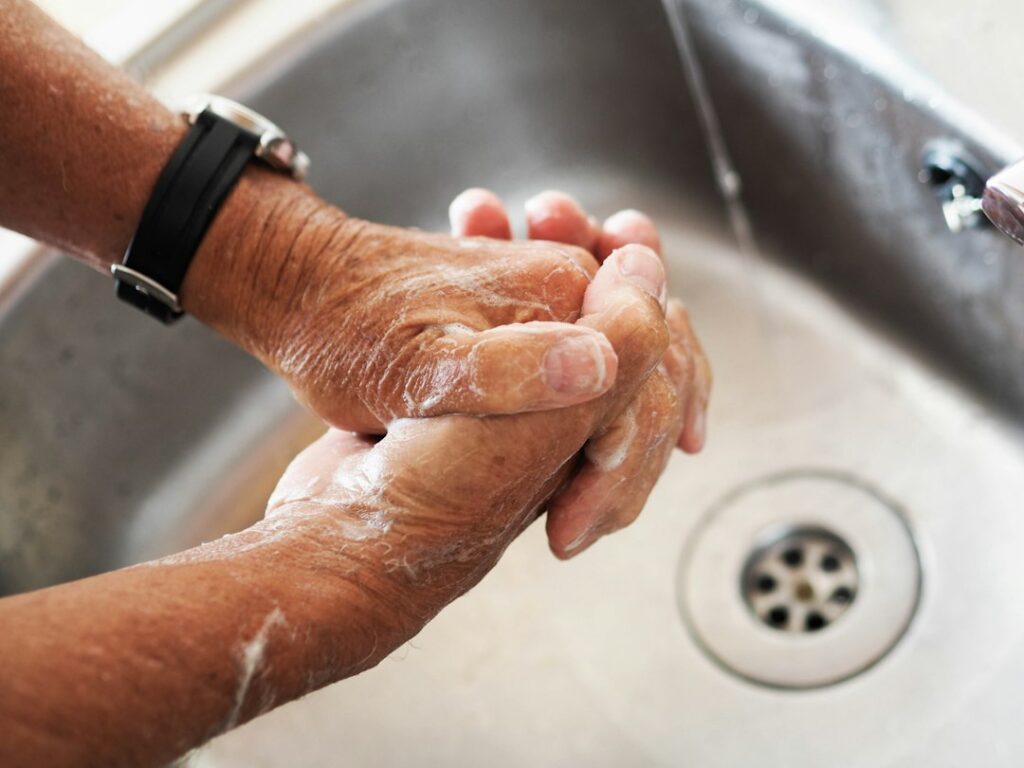
Hand hygiene is one of the simplest and most useful infection-prevention practices. Hands should be cleaned before eating, after using the bathroom, after coughing or sneezing, after touching potentially contaminated surfaces, and before and after assisting another person.
Alcohol-based hand sanitizer is useful when hands are not visibly dirty. Soap and water are preferred when hands are visibly soiled and after certain bathroom-related exposures.
Gloves do not replace hand hygiene. Staff should change gloves between tasks and between residents when contamination could be transferred. Masks, gowns, and eye protection may be needed when care involves respiratory droplets, splashes, wound drainage, vomit, or other bodily fluids.
Residents can ask, respectfully:
- “Will you clean your hands before assisting me?”
- “Are these gloves being changed between tasks?”
- “What precautions are being used for this illness?”
- “Should visitors wear a mask or delay a visit?”
These questions are reasonable parts of resident safety, not criticism of individual caregivers.
How are falls and other everyday hazards prevented?
Infection prevention is only one part of assisted living safety. Falls are more likely when walkways are cluttered, lighting is poor, footwear is unsafe, or a resident’s medication, vision, balance, or mobility changes.
Useful safety routines include keeping call systems within reach, securing loose rugs and cords, using adequate lighting at night, checking that mobility aids fit properly, and reviewing a resident’s environment after a fall or near-fall.
Seasonal conditions can add practical concerns for households in the area. Winter weather may bring wet entrances, tracked-in salt, icy walkways, and reduced daylight. Warm, humid periods can increase dehydration risk, while power interruptions or severe storms can affect elevators, heating, cooling, food storage, and communication systems.
Residents and families should ask how the residence handles:

- Emergency evacuation and sheltering
- Power outages and severe weather
- Fire alarms and smoke response
- Missing-person or wandering risks
- Bathroom falls and nighttime toileting
- Call-bell response and backup communication
- Food refrigeration and meal safety during an outage
What medication and medical-device safeguards matter?
Medication safety includes accurate orders, secure storage, correct timing, documentation, and prompt follow-up when a resident refuses or misses a dose. Changes in alertness, balance, appetite, or behavior should not automatically be dismissed as normal aging; they may reflect an illness, medication effect, dehydration, or another medical concern.
Shared medical equipment requires particular care. Blood glucose meters, lancets, insulin supplies, and other devices that contact blood must be assigned, cleaned, or discarded according to safe-use requirements. Equipment intended for one resident should not be casually shared with another.
Families can ask whether the residence:
- Reviews medications after a hospital visit
- Tracks missed or refused doses
- Documents falls, injuries, and changes in condition
- Uses resident-specific testing supplies when required
- Has a clear process for urgent medical changes
What should visitors do to reduce infection risk?
Visitors should postpone non-urgent visits when experiencing fever, vomiting, diarrhea, a new cough, significant congestion, or another potentially contagious illness. Visiting while mildly sick can still expose residents who have weaker immune systems or chronic heart, lung, or kidney conditions.
During a visit, clean hands when entering and leaving, follow posted precautions, avoid sharing food or personal items, and ask before bringing young children or pets into shared areas. A resident who is recovering from illness may benefit from a shorter visit in a well-ventilated space rather than a crowded gathering.
Vaccination decisions should be discussed with the resident’s healthcare provider. Immunizations can reduce the risk of severe illness, although they do not eliminate every infection.
When should a concern be reported immediately?
Prompt attention is appropriate for trouble breathing, chest pain, blue or gray lips, sudden confusion, fainting, severe weakness, uncontrolled bleeding, signs of stroke, or a rapid decline in responsiveness. Urgent medical services may be necessary.
Less dramatic changes also deserve timely reporting, including new confusion, repeated vomiting or diarrhea, painful urination, a worsening wound, unusual sleepiness, reduced fluid intake, or a sudden increase in falls.
A strong assisted living safety culture makes it easy to report concerns, records what happened, communicates with the appropriate healthcare professionals, and reassesses the resident rather than treating each event as isolated. Residents and families should expect clear explanations, respectful communication, and practical precautions that protect both individual well-being and the wider community.
